

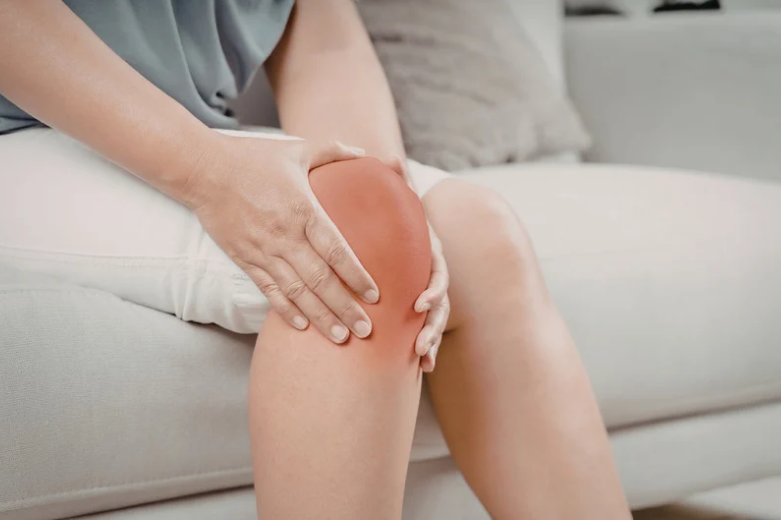
Many people notice their joints feel stiffer after sitting for long periods. Whether it’s getting up from a desk, standing after a long drive, or rising from the couch, the first few steps can feel tight, uncomfortable, or slow.
This experience is extremely common, especially after the age of forty. While it may feel concerning, it is often a natural response to inactivity rather than a sign of serious joint problems. Understanding why joints react this way can help individuals take simple, effective steps to maintain mobility and reduce stiffness.
What Happens to Joints During Inactivity
Joints are designed for movement. Their structure and function depend on regular motion to maintain flexibility, lubrication, and balance between surrounding tissues.
When the body remains still for extended periods, several physiological changes occur. Circulation slows slightly, muscles become less active, and synovial fluid—the natural lubricant inside joints—circulates less efficiently.
Synovial fluid plays a key role in joint comfort. It reduces friction between cartilage surfaces and supports smooth movement. When movement decreases, this fluid becomes less evenly distributed, which can temporarily affect how joints feel when activity resumes.
This is why the first few movements after sitting often feel stiff, but gradually improve as the body begins to move again.
Muscle Inactivity and Joint Support
Muscles surrounding joints act as stabilizers. They help absorb mechanical stress and support joint alignment during movement. When sitting for long periods, these muscles remain inactive.
Over time, inactivity can lead to temporary muscle tightness or reduced activation. When movement resumes, joints may experience uneven stress until muscles re-engage properly.
For example, sitting for extended periods can tighten the hip flexors and reduce activation of the glute muscles. When standing up, this imbalance may affect how the hips and lower back move, contributing to stiffness.
This highlights the important relationship between muscle activity and joint comfort.
Reduced Circulation and Tissue Stiffness
Circulation plays a vital role in maintaining tissue flexibility. Blood flow delivers oxygen and nutrients to muscles, ligaments, and connective tissues while helping remove metabolic waste.
When the body remains inactive, circulation slows. As a result, tissues may feel tighter or less responsive when movement resumes.
This effect is especially noticeable in areas such as:
- knees
- hips
- lower back
- shoulders
Once movement begins again, circulation increases and tissues gradually regain flexibility.
Connective Tissue Tightening
Connective tissues—including ligaments, tendons, and fascia—adapt to the positions they are held in most frequently. When the body remains in a seated position for long periods, these tissues may gradually tighten in shortened positions.
For example, sitting keeps the hips flexed and the spine in a relatively fixed posture. Over time, this can influence flexibility in those areas.
When standing or moving after prolonged sitting, these tissues must lengthen again, which may create a temporary sensation of stiffness.
Regular movement helps prevent this tightening effect and supports long-term flexibility.
Joint Compression During Sitting
Sitting can place sustained pressure on certain joints, particularly the hips and lower back. Over time, this compression may affect how joint structures feel when returning to movement.
This does not necessarily cause damage, but it can affect how joints respond after periods of inactivity. Changing positions frequently helps reduce prolonged compression and supports joint comfort.
Why Movement Resolves the Stiffness
The good news is that stiffness after sitting is usually temporary. Movement helps reverse the processes that contribute to it.
As the body begins to move:
- synovial fluid redistributes
- circulation increases
- muscles activate
- connective tissues warm and lengthen
These changes allow joints to regain their normal range of motion and comfort.
Even a short period of movement—such as walking or stretching—can significantly improve how joints feel.
Simple Habits to Reduce Sitting-Related Stiffness
One of the most effective strategies is to break up long periods of sitting. Small, consistent movement throughout the day helps maintain joint function.
Standing up, stretching, or walking for a few minutes every hour can make a noticeable difference. Over time, these habits help prevent stiffness and support overall mobility.
Incorporating mobility exercises into daily routines also helps maintain flexibility and joint health.
The Role of Strength and Mobility
Strength and mobility work together to support joint health. Strong muscles stabilize joints, while flexible connective tissues allow smooth movement.
Combining strength training with mobility exercises creates a balanced approach that supports both stability and flexibility.
For individuals over forty, this combination becomes especially important for maintaining comfortable movement.
Nutrition and Joint Support
While movement is the primary factor in addressing stiffness after sitting, nutrition also plays a supportive role.
Certain nutrients are commonly discussed in relation to joint wellness, including:
- glucosamine
- MSM
- omega-3 fatty acids
- turmeric
These nutrients are often included in wellness routines that support connective tissue health and inflammatory balance.
The Bottom Line
Joint stiffness after sitting is a common and natural response to inactivity. It occurs because joints rely on movement to maintain lubrication, circulation, and flexibility.
By incorporating regular movement, mobility exercises, and supportive habits into daily routines, individuals can significantly reduce stiffness and maintain comfortable joint function.