

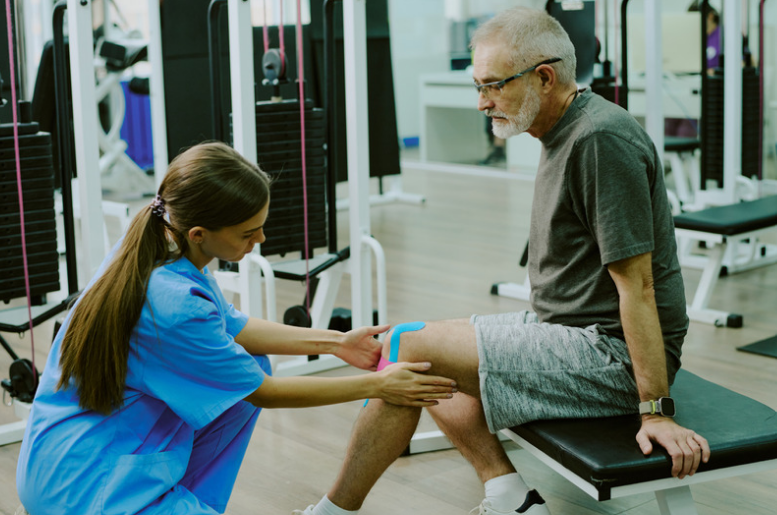
Joint stiffness is something many people begin to notice as they move through their 40s and beyond. It may appear subtly at first—a slight tightness in the knees when standing up, morning stiffness in the hands, or reduced flexibility after long periods of sitting. Over time, these sensations may become more noticeable, especially during daily routines that once felt effortless.
Although joint stiffness can feel frustrating, it is often the result of natural biological changes combined with lifestyle factors. Understanding what causes these changes can help individuals take a proactive approach to maintaining mobility and supporting long-term joint comfort.
The Natural Evolution of Joints With Age
Joints are complex systems designed to allow movement between bones while maintaining stability and reducing friction. They rely on several components working together, including cartilage, synovial fluid, ligaments, tendons, and surrounding muscles.
As the body ages, these structures gradually evolve. This evolution does not happen suddenly but develops over years of daily use. By the time individuals reach their 40s, the cumulative effects of movement, lifestyle habits, and biological changes begin to influence how joints feel and function.
Rather than signaling a breakdown, these changes often reflect the body adapting to long-term mechanical stress and shifting physiological priorities.
Decline in Collagen Production
One of the primary factors influencing joint stiffness after 40 is the gradual decline in collagen production. Collagen is a structural protein that provides strength and flexibility to connective tissues such as cartilage, ligaments, and tendons.
When collagen levels decrease, connective tissues may become slightly less elastic. This can affect how joints move and respond to stress, especially after periods of inactivity.
Because collagen plays such a central role in maintaining joint structure, supporting connective tissue health through movement and nutrition becomes increasingly important with age.
Changes in Cartilage Structure
Cartilage is the smooth tissue that covers the ends of bones inside joints. It acts as a cushion, allowing bones to glide against each other with minimal friction.
Over time, cartilage experiences natural wear due to repeated movement. This process is part of normal aging and reflects the cumulative effects of daily activity over many years.
As cartilage structure evolves, joints may feel less fluid during movement, particularly after rest. Maintaining joint mobility through regular activity helps support the environment in which cartilage functions.
Reduced Synovial Fluid Circulation
Synovial fluid plays a critical role in joint lubrication. It reduces friction, supports cartilage health, and allows joints to move smoothly.
Movement is essential for circulating synovial fluid. When the body is active, this fluid spreads evenly across joint surfaces. However, during prolonged inactivity—such as sitting or sleeping—circulation of synovial fluid slows.
This is one reason stiffness is often more noticeable after rest. Once movement resumes, synovial fluid redistributes, and joints gradually regain flexibility.
Muscle Weakness and Joint Stability
Muscles surrounding joints act as stabilizers, absorbing mechanical stress during movement. When muscle strength declines, joints may experience increased strain.
After 40, maintaining muscle mass becomes more important because it directly influences joint stability. Weak or imbalanced muscles can place uneven pressure on joints, contributing to stiffness and discomfort.
Strength training helps support the muscles that protect joints, improving stability and reducing unnecessary stress on connective tissues.
The Role of Inflammation
Inflammation is a natural biological response that helps the body repair tissues and protect against injury. However, lifestyle factors can influence how the body regulates inflammation over time.
Chronic stress, poor sleep, limited physical activity, and imbalanced nutrition may contribute to elevated inflammatory responses. When this occurs, connective tissues may become more sensitive, which can influence how joints feel during movement.
Maintaining balanced inflammatory responses is an important aspect of supporting joint comfort.
The Impact of Sedentary Lifestyle
Modern lifestyles often involve extended periods of sitting, whether at a desk, in a car, or while using digital devices. Prolonged inactivity can contribute significantly to joint stiffness.
When joints remain still for long periods, synovial fluid circulation slows, connective tissues tighten, and muscles become less active. This combination can lead to stiffness when movement resumes.
Incorporating regular movement breaks throughout the day can help counteract the effects of prolonged sitting and support joint flexibility.
Decreased Flexibility Over Time
Flexibility tends to decline gradually with age, especially when joints are not regularly moved through their full range of motion. Connective tissues may become tighter, restricting movement patterns.
Mobility exercises and stretching help maintain flexibility by encouraging joints to move through their natural range. These practices support connective tissue elasticity and improve overall movement quality.
Many individuals find that consistent mobility work significantly reduces stiffness and improves daily comfort.
Hydration and Joint Function
Water plays an important role in joint health. Synovial fluid, which lubricates joints, depends on adequate hydration to maintain its consistency and function effectively.
Dehydration can affect joint lubrication, which may contribute to a sensation of stiffness. Maintaining proper hydration supports circulation, nutrient delivery, and joint lubrication.
Nutrition and Connective Tissue Support
Nutrition provides the building blocks that support connective tissue structure and overall joint health. Protein, vitamins, minerals, and healthy fats all contribute to maintaining tissue integrity.
Certain nutrients are commonly discussed in relation to joint wellness. Compounds such as glucosamine, MSM, omega-3 fatty acids, and turmeric extracts are often included in wellness routines focused on supporting connective tissue and inflammatory balance.
These nutrients are typically used as part of a broader approach that includes movement, recovery, and balanced nutrition.
How Movement Helps Reduce Stiffness
Movement is one of the most effective ways to address joint stiffness. When joints move, synovial fluid circulates, connective tissues warm, and muscles activate.
Even simple activities such as walking, stretching, or gentle mobility exercises can restore flexibility and improve joint comfort. Consistent movement helps maintain the natural processes that support joint function.
For many people, the key is not intensity but consistency. Regular daily movement provides lasting benefits.
Building Habits That Support Joint Mobility
Joint stiffness after 40 is influenced by multiple factors working together. Addressing it effectively involves building sustainable habits that support the body’s natural systems.
Regular physical activity, strength training, mobility exercises, balanced nutrition, hydration, and adequate sleep all contribute to maintaining joint health.
When these habits are practiced consistently, they create an environment that supports comfortable movement and long-term mobility.
The Bottom Line
Joint stiffness after 40 is often the result of natural biological changes combined with lifestyle factors. Changes in collagen production, cartilage structure, synovial fluid circulation, muscle strength, and flexibility all contribute to how joints feel over time.
The good news is that many of these factors can be influenced through daily habits. Movement, strength training, nutrition, and recovery all play important roles in supporting joint comfort.
By understanding what causes joint stiffness and taking proactive steps to support the body, individuals can maintain mobility and continue enjoying active, fulfilling lifestyles.